
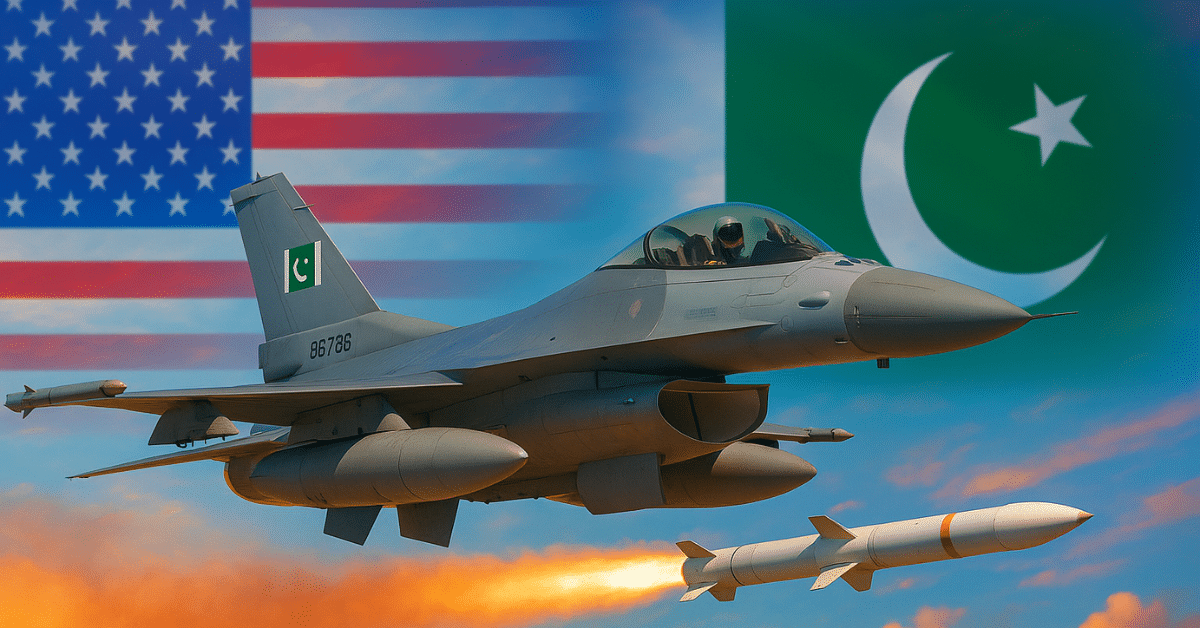
The United States has given the green light for the US missile sale Pakistan, marking a notable step forward in defense collaboration between the two nations. This decision, shared by the U.S. State Department, involves the delivery of AMRAAM (Advanced Medium-Range Air-to-Air Missiles), which will significantly boost the capabilities of the Pakistan Air Force (PAF) in aerial combat.
This approval follows several months of discussions in Washington and talks with Pakistan’s Ministry of Defense. Defense analysts believe this deal is focused on enhancing Pakistan’s deterrence capabilities and modernizing its current fleet of fighter jets.
Details of the Missile Sale
The missile package is said to include several hundred AMRAAM units, along with technical support and training for PAF personnel. These missiles are crafted to enhance accuracy, range, and overall air combat effectiveness for Pakistan’s fighter jets, such as the JF-17 Thunder and upgraded F-16 aircraft.
While the specific financial details of the deal remain under wraps, sources indicate that it fits within the U.S. government’s broader strategy to support strategic partners in South Asia while ensuring regional stability.
Strategic Implications
Experts are weighing in on the missile sale, highlighting several key strategic implications:
- First off, it bolsters Pakistan’s air defense capabilities, especially given the current regional security concerns.
- It also underscores the ongoing defense partnership between the U.S. and Pakistan, even when diplomatic relations hit a few bumps.
- Moreover, this move could shift the balance of power in South Asia, particularly with the ongoing military dynamics between India and Pakistan.
A defense analyst based in Islamabad remarked, “The green light for these missiles reflects a strong trust in Pakistan’s military professionalism and enhances its aerial deterrence. It also sends a clear message to regional players about the U.S. commitment to strategic engagement.”
Public and Political Reaction
In Pakistan, the announcement has sparked a flurry of reactions from defense experts and social media users alike. Many view it as a significant boost to national security, while some analysts urge caution, emphasizing that such deals need to be managed carefully to maintain regional stability.
Government sources have confirmed that the Pakistan Air Force (PAF) will kick off training and integration programs right away, ensuring that the missiles can be effectively deployed in the coming months.
Outlook
The U.S. missile sale to Pakistan marks a pivotal moment in their defense relationship and gives a notable capability boost to the Pakistan Air Force. While the deal is largely technical, its political and strategic implications in South Asia are likely to be a hot topic for discussion in the months ahead.
Also read, Pakistan Pushes Back Against IMF Demand to Cap Circular Debt at Rs.200 Billion