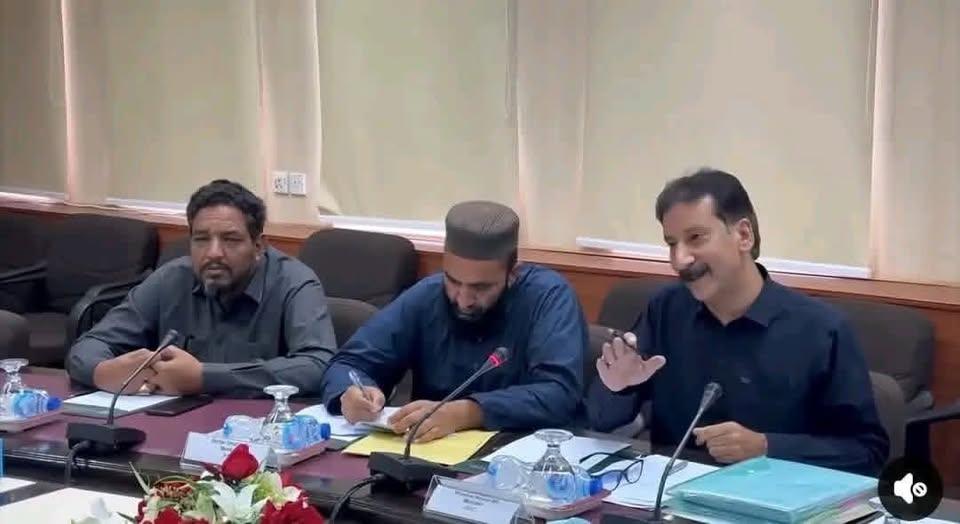
The Joint Awami Action Committee (JAAC) Jammu & Kashmir has described its first round of negotiations with federal representatives in Islamabad as “positive and constructive.” The delegation confirmed that the next session will be held in Muzaffarabad, marking a significant step toward resolving the ongoing unrest in Azad Jammu and Kashmir.
During the discussions in Islamabad, committee members highlighted that the focus was on economic issues, governance reforms, and the public demands that emerged during recent protests in the region. While no final agreement was reached, the JAAC noted that both parties were eager to engage in meaningful dialogue.
Constructive Dialogue After Weeks of Unrest
These talks come on the heels of several weeks of intense protests in AJK, where demonstrators have been calling for action against elite privileges, better representation for refugees, and solutions to inflation-related challenges. The JAAC-led movement gained traction following clashes between law enforcement and protesters, which resulted in casualties and widespread disruptions.
Representatives from the committee shared that the Islamabad meeting was instrumental in clarifying positions and fostering trust. “This was a positive start,” one member remarked. “We’re looking forward to continuing the conversation in Muzaffarabad.”
Next Round in Muzaffarabad
The next phase of negotiations is set to occur in Muzaffarabad, where JAAC leaders are hopeful about finalizing a framework to tackle the core demands. The committee has urged the government to prioritize transparency and inclusivity in the upcoming discussions.
Federal officials have expressed their willingness to continue the dialogue, with Parliamentary Affairs Minister Tariq Fazal Chaudhry confirming that a draft agreement is currently under review.
Public Expectations and Political Impact
The JAAC’s engagement with Islamabad represents a significant shift in the protest movement, moving from confrontation to constructive dialogue. Citizens throughout AJK are closely monitoring the situation, hoping for real outcomes that address their economic concerns and aspirations.